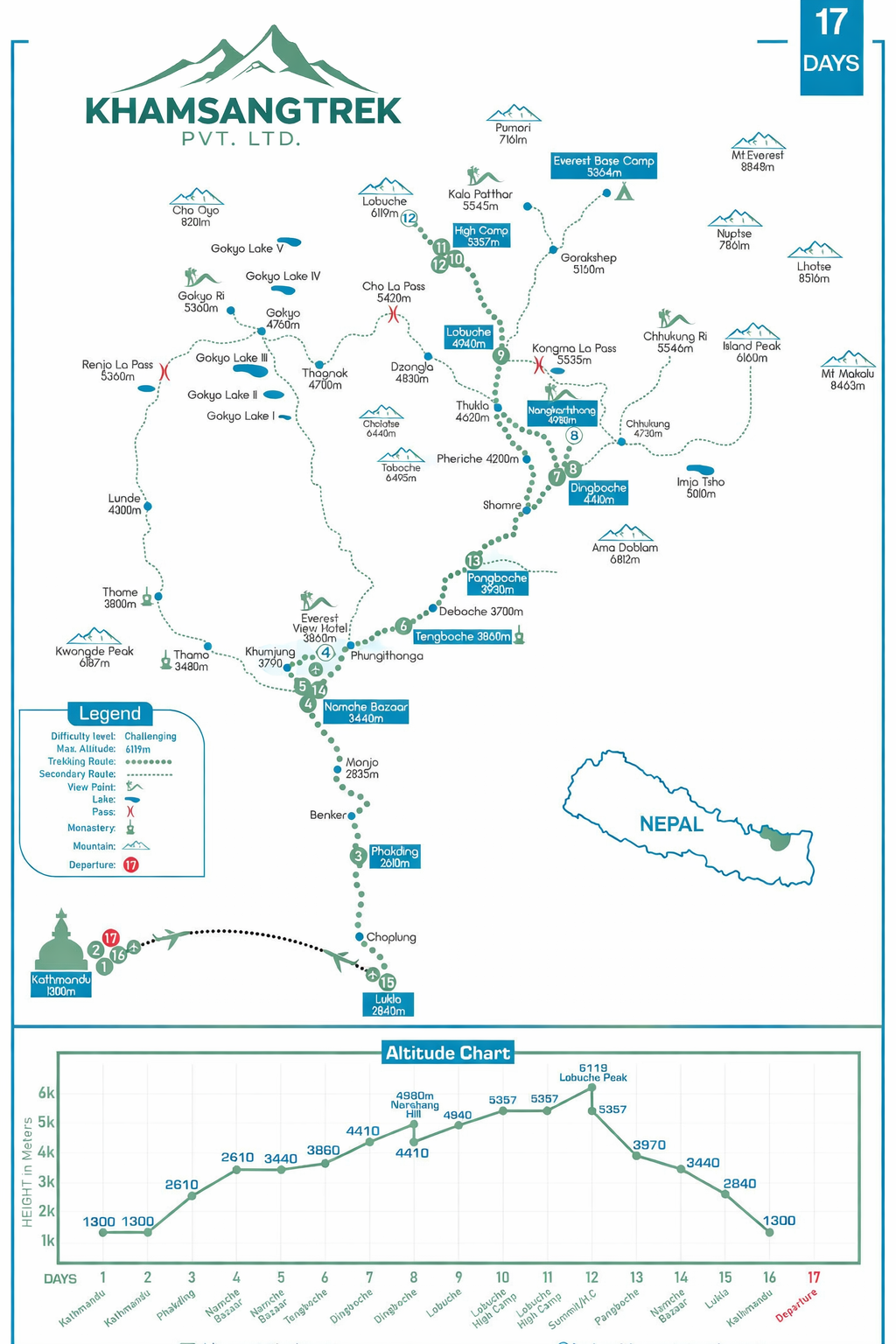
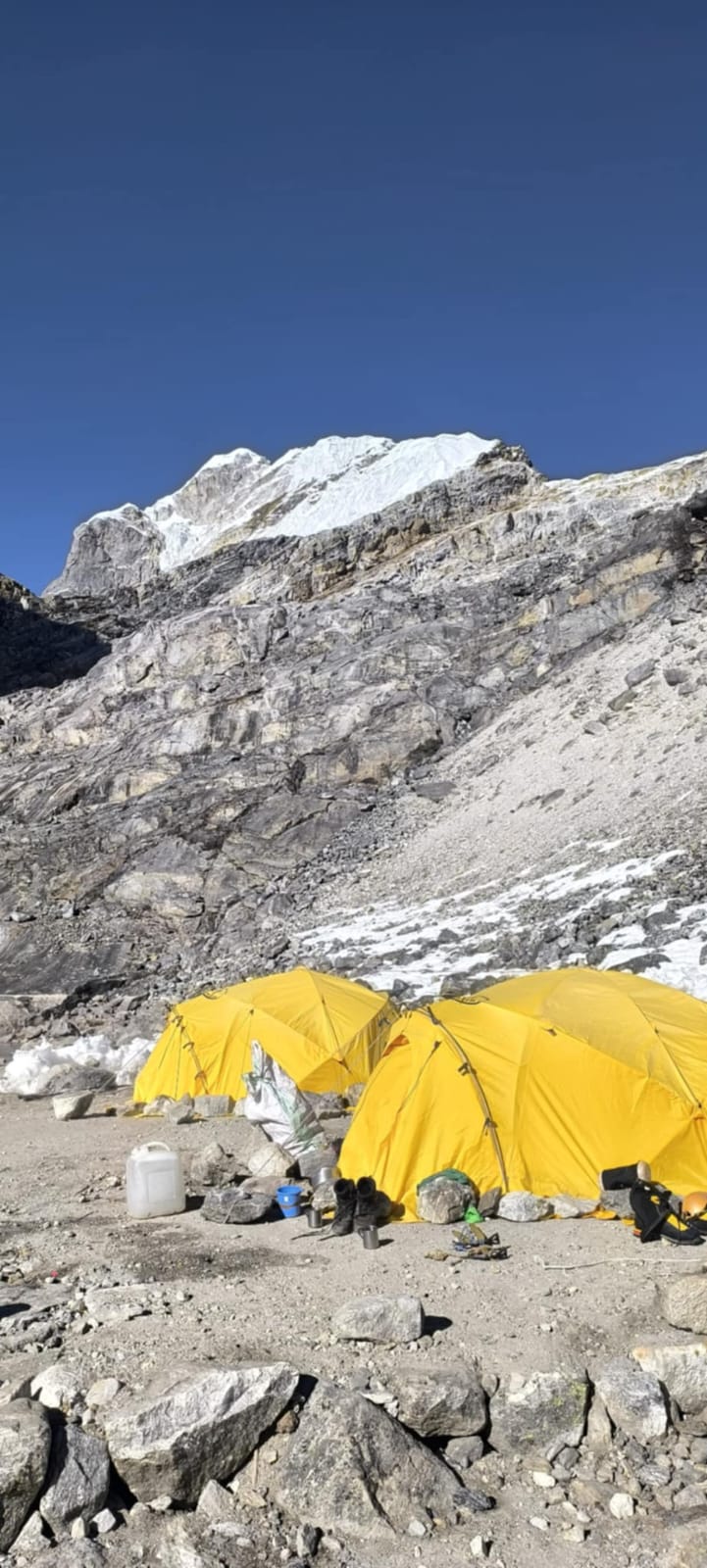
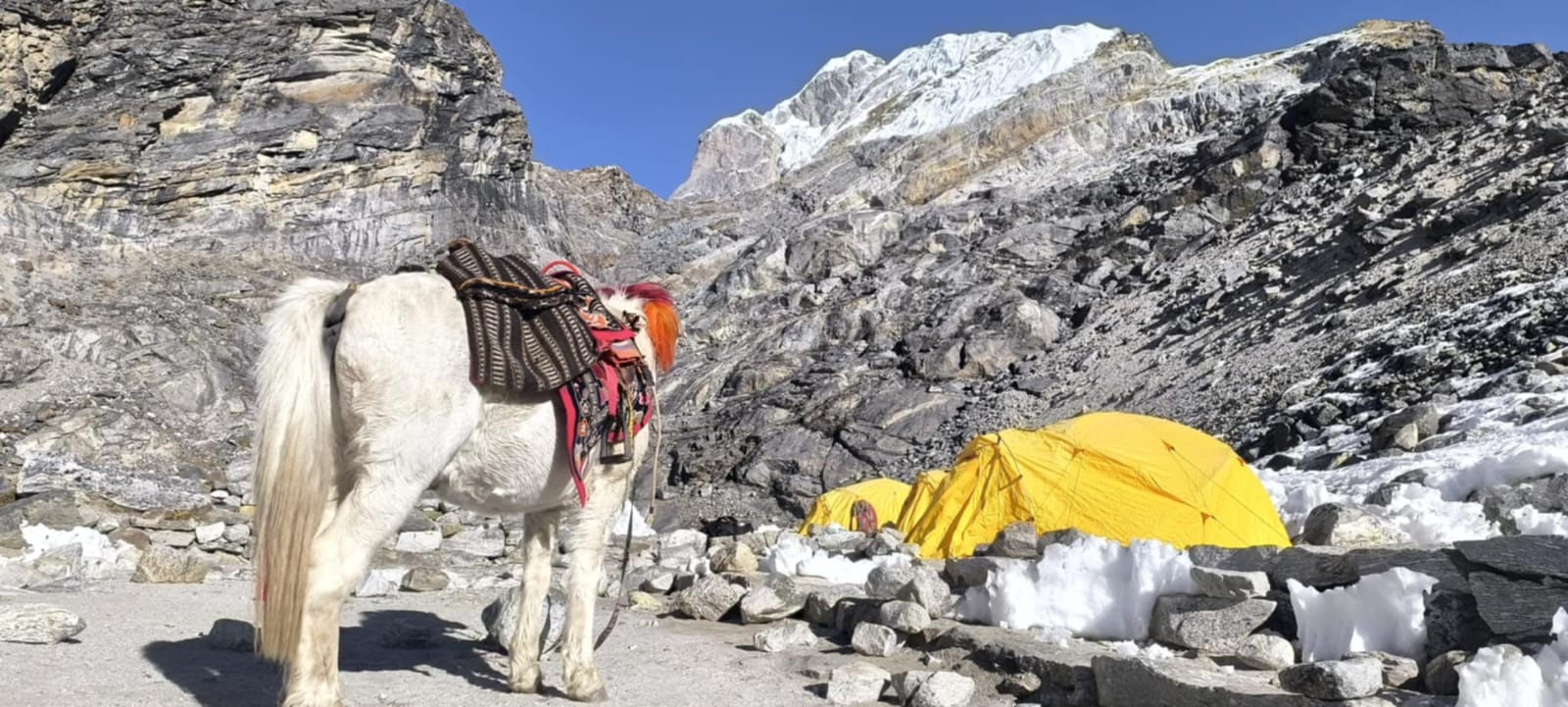
Island Peak Climbing - 15 Days
Island Peak, locally known as Imja Tse, rises to 6,160 meters (20,210 ft) in Nepal’s Everest region. It is one of the most popular trekking peaks in the Himalayas, offering a perfect introduction to high-altitude mountaineering.
The name “Island Peak” was given in 1952 by British mountaineer Eric Shipton because the mountain appeared like an island floating in a sea of ice when viewed from Dingboche. Although many climbers use it as preparation for 8,000-meter expeditions, Island Peak is a serious alpine challenge on its own.
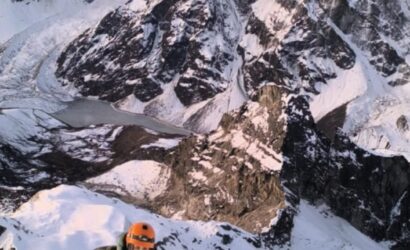
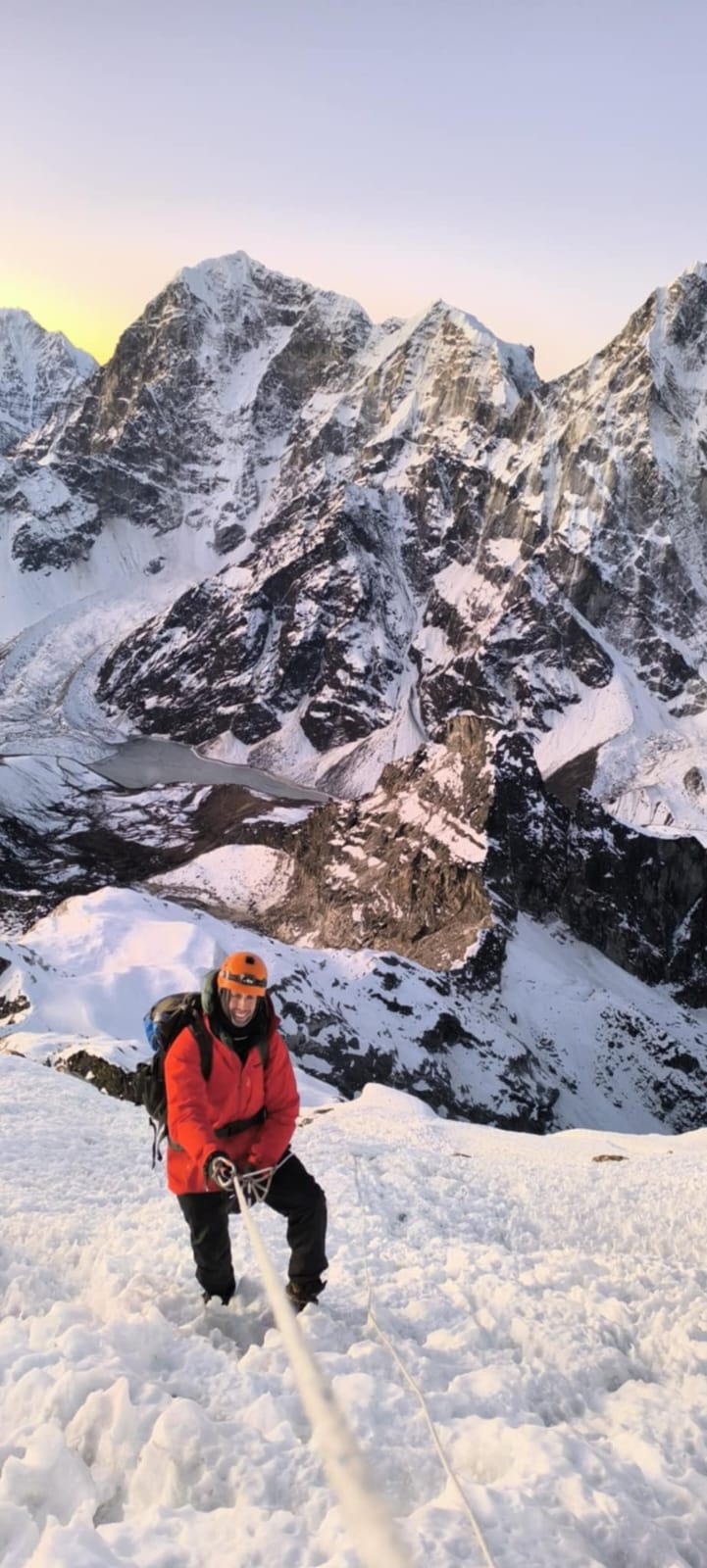
Positioned between some of the world’s highest mountains—including Mount Everest, Lhotse, and Ama Dablam—the peak combines scenic trekking with technical glacier climbing. The final ascent involves fixed ropes, crevasse crossings, and a steep headwall, making the summit both demanding and rewarding.
This journey is more than reaching the top; it is an immersion into the dramatic landscapes and living culture of the Himalayas.
Sherpa Culture: Life in the Everest Region
The trail to Island Peak passes through the heart of the Khumbu region, home to the Sherpa community. Villages such as Lukla, Namche Bazaar, Pangboche, and Dingboche offer insight into mountain life at high altitude.
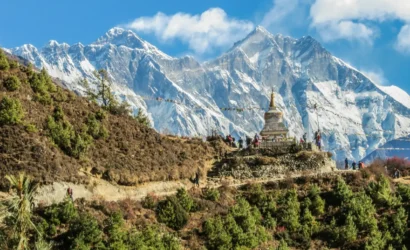
Sherpas are globally respected for their mountaineering skills, endurance, and deep knowledge of Himalayan terrain. Their spiritual life is strongly influenced by Tibetan Buddhism. Monasteries such as Tengboche Monastery serve as important religious and cultural centers. Along the trail, you will see prayer flags, mani walls, chortens, and spinning prayer wheels that reflect their spiritual heritage.
Agriculture and livestock remain central to daily life. Terraced fields produce barley, potatoes, and vegetables, while yaks and crossbreeds (jyopkyo) provide milk, cheese, and transportation. The warmth and hospitality of the Sherpa people are often one of the most memorable parts of the expedition.
Essential Equipment for Island Peak
Island Peak requires proper mountaineering gear, especially for summit day. While the trek to base camp is similar to other high-altitude hikes, the climbing section demands technical equipment and guidance from a licensed climbing guide.
Key equipment includes:
Insulated mountaineering boots (compatible with crampons)
Crampons for glacier traction
Ice axe for balance and safety
Climbing harness
Ascender (Jumar) and descender device
Climbing helmet
Down jacket and insulated layers
Waterproof outer shells
UV-protection sunglasses
Headlamp with spare batteries
Proper gear preparation significantly reduces risk and improves summit success.
Best Time to Climb Island Peak
The best climbing seasons are:
Spring (March–May)
Stable weather, clear skies, and moderate temperatures make this the most popular season. The trails are colorful with blooming rhododendrons, though it is the busiest period.
Autumn (September–November)
After the monsoon, the air becomes clear and dry, providing excellent mountain visibility. Temperatures are slightly colder than spring but conditions remain favorable.
Winter (December–February) is much colder with heavy snowfall, while the monsoon season (June–August) brings rain, cloud cover, and unstable trail conditions. These periods are generally not recommended.
Cost of Island Peak Climbing
A standard 15-day full-board Island Peak package typically costs around USD 2050 per person, covering arrival to departure services. Prices may vary depending on group size and itinerary customization, especially if combined with Everest Base Camp.
Main cost components include:
Climbing permit from the Nepal Mountaineering Association (NMA)
Sagarmatha National Park entry permit
Local government permit
Licensed climbing guide fees
Porter services
Teahouse accommodation during trekking
Camping services at base camp
Meals during the expedition
Domestic flights between Kathmandu (or Manthali) and Lukla
Airport transfers
Equipment rental (if required)
Booking through a reputable trekking agency ensures proper logistics, permits, safety standards, and experienced guides.
Highlights
- A True Climbing Experience: Rising to 6,160 meters, Island Peak offers a genuine mountaineering adventure that involves basic technical climbing skills and the use of proper equipment.
- Well-Planned Acclimatization: The carefully structured 15-day program allows gradual altitude adaptation, increasing safety and improving summit success.
- Through the Khumbu Heartland: The trail passes famous Himalayan settlements such as Namche Bazaar, Tengboche, Dingboche, and Chhukung while surrounded by towering peaks.
- Sherpa Heritage & Lifestyle: Experience the traditions, hospitality, and daily life of the Sherpa communities living in the Everest region.
- Base Camp Preparation: Stay two nights at Island Peak Base Camp with full board support, including rest, guidance, and climbing preparation.
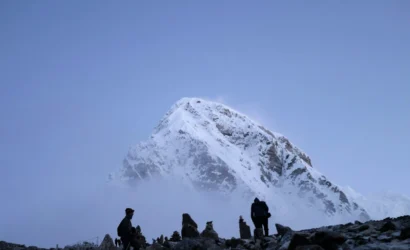
- Incredible Mountain Scenery: The peak sits among legendary giants like Mount Everest, Lhotse, and Ama Dablam, offering dramatic alpine surroundings throughout the trek.
- Rewarding Summit View: From the top, enjoy an unforgettable panoramic view of the Himalayan range stretching in every direction.
- Scenic Lukla Flight: The adventure starts and ends with a thrilling mountain flight to and from Lukla — one of the most exciting air routes in the world.